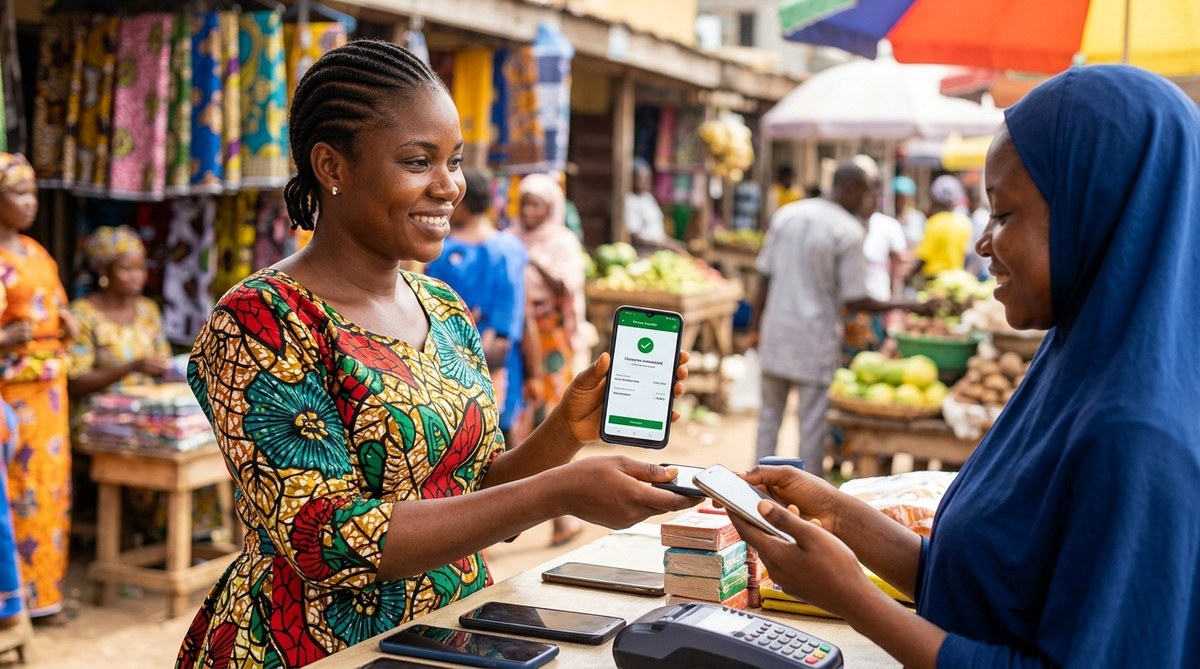
Small businesses form the backbone of Africa’s economy, yet many face hurdles when it comes to managing payments. Traditional banking systems often fall short in providing accessible, affordable, and efficient payment solutions. This gap has sparked a wave of fintech innovations that are reshaping how small enterprises handle transactions. From mobile money to blockchain, these advancements are not just improving payment processes but also fueling economic growth and financial inclusion across the continent.
Fintech innovations are revolutionizing small business payments in Africa by making transactions faster, more affordable, and accessible. These advancements are bridging financial gaps, enabling growth, and empowering entrepreneurs across the continent.
Understanding the rise of fintech in African small business payments
Fintech has become a game-changer in Africa’s financial landscape. Growing smartphone penetration, mobile network expansion, and a youthful population eager for digital solutions have created fertile ground for innovative payment methods. Small businesses, often operating in cash-heavy environments, now have access to digital tools that simplify transactions, improve cash flow, and expand market reach.
The continent’s unique challenges have driven the development of tailored fintech solutions. Unlike traditional banking, which may require extensive paperwork and collateral, fintech platforms often operate with minimal requirements. This shift has opened doors for small entrepreneurs who previously lacked access to formal financial services. The result is a more inclusive, vibrant economic environment where small businesses thrive with enhanced payment capabilities.
Key fintech innovations transforming small business payments in Africa
Several technological breakthroughs are powering the transformation of small business payments. These innovations are driving efficiency, reducing costs, and expanding financial access.
Mobile money revolution
Mobile money services like M-Pesa in Kenya have become household names. They allow users to send and receive money via simple mobile phones without needing a bank account. This system has become essential for small businesses to pay suppliers, receive customer payments, and handle remittances.
Digital wallets and contactless payments
Digital wallets enable quick, cashless transactions. Small businesses can accept payments through QR codes or tap-and-go cards. This not only speeds up sales but also enhances hygiene and convenience, especially amid health concerns.
Blockchain and cross-border transactions
Blockchain technology offers secure, transparent, and low-cost cross-border payments. Small exporters and importers can transfer funds more efficiently, reducing reliance on costly intermediaries and minimizing delays.
Peer-to-peer lending platforms
Access to credit remains a challenge for many small enterprises. Fintech platforms now connect borrowers directly with investors, providing quick and affordable financing options to fund expansion or cover operational costs.
E-commerce and digital marketplaces
Fintech-driven e-commerce platforms connect small businesses with a broader customer base. Integrated payment solutions facilitate smooth transactions, enabling entrepreneurs to grow beyond local markets.
Practical steps for small businesses to leverage fintech innovations
Adopting fintech solutions can seem overwhelming at first. Here’s a straightforward approach to integrating these innovations into your business:
-
Assess your needs
Identify pain points in your current payment processes. Do you need faster transactions, better cash flow management, or access to credit? Clarifying your goals will guide your choice of fintech tools. -
Choose reliable providers
Research reputable fintech platforms that serve your region. Look for user reviews, security features, and customer support. Popular options include mobile money services, digital wallets, and lending platforms. -
Implement and train
Set up your chosen solutions and train your staff. Ensure everyone understands how to use digital payment methods to avoid errors and build confidence.
Common pitfalls to avoid include:
- Relying on unverified platforms
- Ignoring security best practices
- Overlooking customer preferences for payment methods
Techniques to maximize fintech benefits
| Technique | Mistake to Avoid |
|---|---|
| Integrating multiple payment channels | Overcomplicating transaction processes |
| Regularly updating software | Falling behind on security updates |
| Educating staff and customers | Underestimating the importance of user support |
“The key to success with fintech is understanding your customers’ needs and choosing solutions that simplify their experience,” advises Amina, a small business owner from Nairobi. She highlights how mobile money transformed her shop’s sales and cash flow.
The impact of fintech on economic growth and inclusion
Fintech innovations are not just changing payment methods; they are fostering broader economic benefits. By reducing transaction costs, increasing transparency, and expanding access to financial services, small businesses can grow more confidently.
Increased financial inclusion means more entrepreneurs can access credit, insurance, and savings accounts. This inclusivity supports job creation and stimulates local economies. Moreover, fintech’s ability to reach rural and underserved populations accelerates development beyond urban centers.
Challenges to watch for
While fintech offers many advantages, potential hurdles include:
- Limited digital literacy among some users
- Regulatory uncertainties
- Security concerns around data privacy
Addressing these issues requires collaboration between fintech providers, regulators, and the community to build trust and ensure safe adoption.
Looking ahead: future trends in African small business payments
The trajectory of fintech suggests continued innovation. Expect to see:
- Greater adoption of artificial intelligence for personalized financial services
- Expansion of blockchain applications to improve transparency and efficiency
- Integration of biometric identification for secure transactions
- Growth in embedded finance within e-commerce platforms
These trends will further empower small businesses to operate seamlessly in a digital economy, opening new avenues for growth and resilience.
Final thoughts: embracing fintech for sustainable growth
For small business owners across Africa, embracing fintech innovations is no longer optional. These tools offer tangible benefits, from reducing transaction times to expanding market reach. Researchers and industry analysts can track these developments to understand how technology shapes economic landscapes.
By staying informed and adopting suitable solutions, entrepreneurs can navigate the evolving payment environment confidently. The future of small business payments in Africa is digital, inclusive, and brimming with opportunity.
Charting a path forward in Africa’s payment revolution
Small businesses are vital to Africa’s economy, and fintech innovations are unlocking their potential. Taking small steps to integrate digital payment solutions can lead to significant growth. Remember, the key lies in understanding your specific needs, choosing trusted platforms, and offering ongoing training. As the continent continues to innovate, those who adapt early will find themselves ahead in a fast-changing landscape. Harness the power of fintech to fuel your business’s success today.