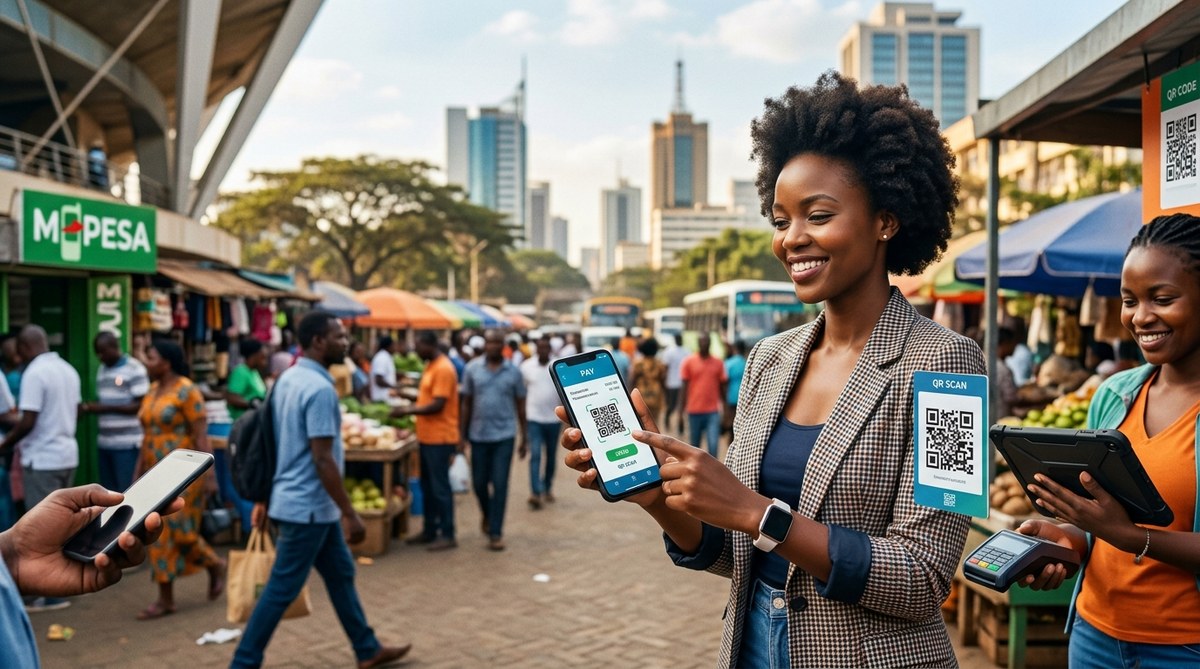
Digital payments are rapidly transforming Africa’s financial landscape. With innovative technologies and rising mobile adoption, the continent is witnessing a payments revolution that promises greater inclusion, security, and convenience. As traditional banking faces hurdles, digital solutions are filling gaps, making financial services accessible to millions. This shift is not just about technology; it’s about redefining how Africans interact with money, opening new opportunities for individuals, businesses, and governments alike.
The future of digital payments in Africa is set to revolutionize financial access, promote economic growth, and foster innovation through mobile solutions, digital currencies, and improved infrastructure. Embracing these changes can unlock new opportunities for everyone on the continent.
Digital payments reshape African economies
The shift towards digital payment platforms is not just a trend but a fundamental change in how money moves across Africa. With more people owning smartphones than ever before, digital solutions are becoming the primary way to pay for goods and services. Mobile money services like M-Pesa in Kenya have already demonstrated how technology can bridge gaps left by traditional banking. Moving forward, these platforms are expected to expand, integrating more features such as bill payments, remittances, and even micro-investments.
The growth of digital payments is also fueling entrepreneurship. Small businesses now access digital tools to accept payments swiftly, reducing cash handling risks and expanding their customer base. This transformation supports local economies by making transactions smoother and more transparent.
Key trends shaping the future of digital payments in Africa
Several technological and societal trends are driving the future of digital payments. Understanding these can help stakeholders prepare for the changes ahead.
Mobile money continues to lead
Mobile money remains the backbone of digital finance in Africa. Its ease of use, widespread adoption, and low infrastructure requirements make it ideal for rural and underserved populations. As telecom companies expand their reach, more users will gain access to financial services through their phones.
Rise of digital currencies and CBDCs
Central Bank Digital Currencies (CBDCs) are gaining traction across African nations. Governments see digital currencies as tools to improve monetary policy, reduce transaction costs, and combat illicit activities. Countries like Nigeria and South Africa are exploring or piloting CBDC projects, signaling a shift towards state-backed digital money.
Fintech startups promoting financial inclusion
A wave of innovative startups is developing solutions tailored to Africa’s unique needs. From peer-to-peer lending platforms to digital savings groups, these companies are making financial services more accessible. Their focus on affordability and user-friendly interfaces helps bring more people into the formal financial system.
Improved infrastructure and internet penetration
Better internet connectivity and infrastructure investments are critical for the future of digital payments. As more regions gain reliable connectivity, digital platforms can reach a broader audience, including those in remote areas. This progress is essential for scaling digital payment adoption.
Practical steps for embracing digital payments
For individuals and businesses eager to participate in this evolving landscape, here are some key steps to get started:
- Choose reliable digital payment platforms: Select services like mobile money, e-wallets, or bank apps that are widely accepted and secure.
- Register and verify your account: Follow the platform’s registration process, which often includes identity verification to ensure safety.
- Start small and expand: Begin with small transactions to build confidence, then explore additional features like savings or microloans.
By taking these steps, users can enjoy the convenience and security of digital payments, reducing reliance on cash.
Challenges and pitfalls to watch out for
While digital payments offer many benefits, there are hurdles to overcome:
- Security concerns: Fraud and hacking are risks. Use strong passwords and enable two-factor authentication.
- Limited digital literacy: Educate yourself on platform features and best practices to avoid mistakes.
- Infrastructure gaps: Some regions still lack reliable internet or electricity, hindering access.
- Regulatory uncertainties: Stay informed about local policies affecting digital payments to ensure compliance.
| Techniques for secure digital payments | Common mistakes to avoid |
|---|---|
| Use strong, unique passwords | Sharing login details |
| Enable two-factor authentication | Sending money to unknown contacts |
| Keep app and device software updated | Ignoring suspicious activity |
| Verify recipient details before payment | Using public Wi-Fi for sensitive transactions |
“As more Africans adopt digital payment methods, the focus must remain on security and education. Building awareness around safe practices is key to sustaining this growth,” advises digital finance expert, Amina Diallo.
The role of policy and regulation in shaping the future
Governments and regulators play a crucial role in fostering a conducive environment for digital payments. Clear policies on data privacy, anti-money laundering, and consumer protection are vital. Supportive regulations encourage innovation while safeguarding users.
Public-private partnerships are also essential. By collaborating, governments can extend infrastructure, improve digital literacy, and develop standards that promote interoperability among platforms. This collective effort ensures that digital payments serve everyone fairly and efficiently.
Building a resilient digital payments ecosystem
The future depends on creating an ecosystem that integrates technology, regulation, and user trust. Investments in infrastructure, education, and cybersecurity are necessary to sustain growth. Encouraging innovation through grants and incubators can also accelerate new solutions tailored to African needs.
As digital payments become more embedded in daily life, they can support broader development goals. From reducing poverty to enhancing financial resilience, digital finance holds the potential to transform Africa’s economic landscape profoundly.
A future where digital payments empower everyone
The future of digital payments in Africa looks promising. With continued innovation and supportive policies, more people will gain access to financial tools that improve their lives. Whether it’s paying for school, sending money home, or starting a new business, digital solutions are opening doors.
By embracing these changes, individuals, businesses, and governments can collaborate to build a more inclusive and prosperous continent. The journey towards a fully digital financial future is already underway, and everyone has a role to play.
Moving forward with digital finance
Taking part in this digital payments revolution requires awareness and action. Start by exploring local platforms, learning best practices, and staying informed about new developments. With the right mindset and tools, you can leverage digital payments to simplify your financial activities and contribute to Africa’s growth story.
The future of digital payments in Africa is bright. It promises more access, security, and opportunity for all. Embrace the change today and be part of shaping a resilient, innovative financial future for the continent.