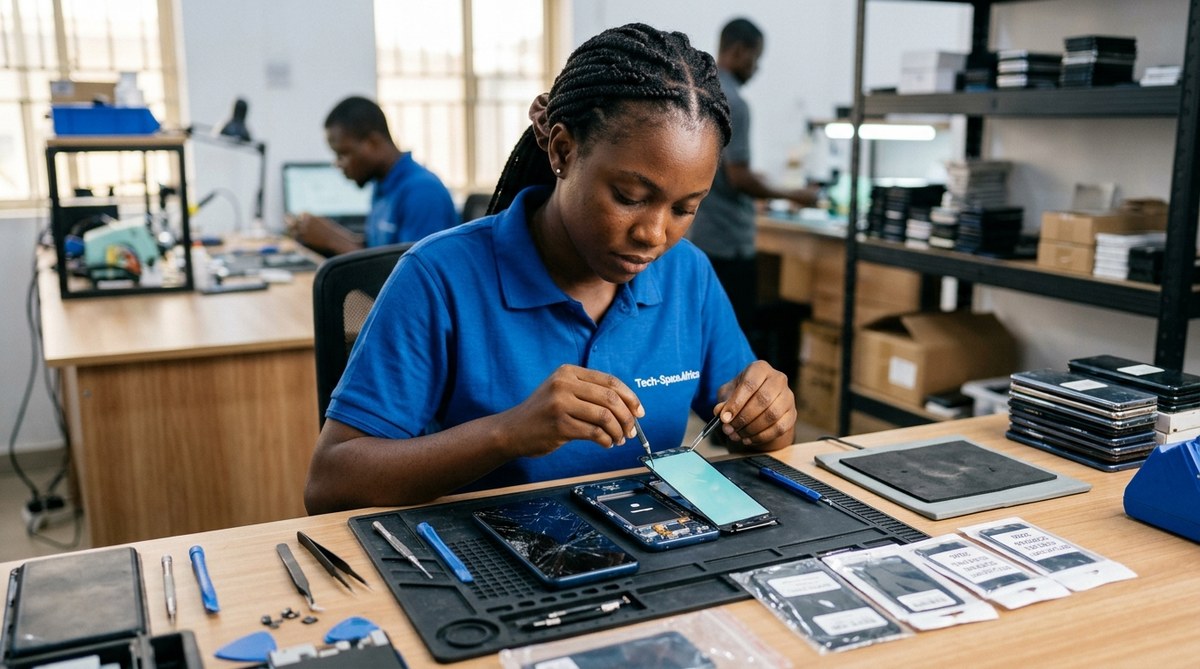
Dropping your phone is a gut-wrenching moment. That sickening crack as the glass hits the pavement usually means a costly trip to a repair shop. But across Africa in 2026, that trip is hurting your wallet a lot less than it used to. Whether you live in Lagos, Nairobi, or Cape Town, the cost to fix a shattered display has dropped significantly. For small repair shop owners, this trend is reshaping how you price services and attract customers. For everyday users, it means keeping your device alive for another year without breaking the bank.
Smartphone screen replacement costs across Africa are dropping in 2026 due to local assembly plants, cheaper generic LCD panels, and a flood of refurbished parts from the global market. Repair shops can now offer affordable fixes, and consumers no longer need to replace a whole phone just because of a cracked screen.
What Is Driving the Price Drop in 2026?
Several forces are working together to lower the smartphone screen replacement cost Africa 2026 is known for. Let’s break them down.
Local Assembly Plants Are Changing the Game
Countries like Kenya, Nigeria, and South Africa have ramped up local smartphone assembly. Brands like Tecno, Itel, and even Samsung now run production lines inside the continent. When screens are manufactured or assembled closer to the consumer, shipping costs drop. Import duties shrink too. That saving gets passed straight to the repair shop.
For example, a replacement screen for a popular Tecno model used to cost around $45 in 2024. Today, the same part costs about $22. Local assembly means spare parts are never stuck in customs for weeks. Repair shops can stock more inventory and offer faster turnaround times.
The Rise of Generic and Compatible LCD Panels
Brand-name screens from the original manufacturer still cost a premium. But a wave of high-quality generic LCD panels has flooded the African market. These screens are made in China and India but distributed through local suppliers who buy in bulk. The quality is good enough for most users, especially for budget and mid-range phones.
A generic screen for a Xiaomi Redmi Note series now costs around $15. Two years ago, that same part was $40. Repair shops can buy these screens in batches of 50 and get an even lower per-unit price. This is a major reason the smartphone screen replacement cost Africa 2026 has become so accessible.
Refurbished Screens from Europe and the USA
Another hidden factor is the influx of refurbished screens. In wealthier markets, phones are often discarded after a single drop. Those screens get harvested, tested, and shipped to Africa. They arrive as “grade A” or “grade B” parts, often working perfectly for a fraction of the price.
A refurbished OLED screen for a Samsung Galaxy A series can cost as little as $12. It won’t be brand new, but for a repair shop, it’s a fantastic way to offer a low-cost option. Consumers who just need their phone to work again don’t mind a slight imperfection.
How Repair Shops Are Adapting
Small repair shops are the backbone of the African tech ecosystem. They have had to change their business models to keep up with falling parts prices.
New Pricing Strategies
Shops that used to charge a flat fee of $80 for any screen replacement now offer tiered pricing. A standard LCD replacement for a budget phone might cost $25. A premium OLED replacement for a flagship device might cost $60. This transparency builds trust and brings in more customers.
Bulk Buying and Stock Management
Many shop owners now buy screens in bulk from local distributors. They store common sizes for popular models like the Tecno Spark, Itel A50, and Samsung A series. Having stock on hand means same-day repairs, which is a huge selling point.
Offering Warranty on Repairs
To compete with bigger chains, independent shops now offer a 30-day or 90-day warranty on screen replacements. Since parts are cheaper, they can absorb the cost of a rare defective screen. This builds customer loyalty and encourages word-of-mouth referrals.
A Step-by-Step Guide for Consumers
If you have a cracked screen and want to save money, follow these steps.
- Get multiple quotes. Call three repair shops in your area. Ask for the price of a standard LCD replacement and a premium original screen. Prices can vary by 30% or more.
- Check if your phone model has generic screens available. Models like the Tecno Spark 10, Itel S23, and Xiaomi Redmi 12 have very affordable generic panels. If you own a less common model, the price might be higher.
- Ask about refurbished parts. Some shops offer refurbished screens that cost even less. They are tested and often come with a short warranty. This is the cheapest option for older phones.
- Inspect the repair shop’s workspace. A clean, well-lit workspace reduces the chance of dust getting under the new screen. Ask if they work in a clean room or use a dust-free cabinet.
- Request a warranty in writing. Even a simple handwritten note stating a 30-day warranty protects you if the screen fails early.
Common Mistakes to Avoid
Both consumers and repair shop owners make mistakes when dealing with screen replacements. Here is a table that highlights the most common errors.
| Role | Common Mistake | Better Approach |
|---|---|---|
| Consumer | Choosing the cheapest option without checking the screen type. | Ask if the screen is LCD, OLED, or refurbished. Know what you are getting. |
| Consumer | Not backing up data before the repair. | Always back up your phone. A repair can sometimes fail, and data recovery is expensive. |
| Repair shop | Using cheap adhesive tape instead of proper screen adhesive. | Invest in high-quality adhesive strips. A loose screen will come back as a complaint. |
| Repair shop | Skipping the calibration test after installation. | Always run a touch and color calibration test. A misaligned screen can cause touch issues. |
| Both | Ignoring the phone’s water damage seals. | Check the water damage indicators before starting. A phone with water damage may have hidden issues. |
Expert Advice from a Nairobi Repair Specialist
“The biggest change I have seen in 2026 is the availability of parts. Two years ago, I had to wait three weeks for a screen to arrive from China. Now I can order on Monday and get it delivered on Wednesday from a supplier in Mombasa. The price has dropped by half. I pass those savings to my customers, and my business has grown by 40% because people trust me to fix their phones affordably.”
Samuel O., owner of TechFix Kenya, Nairobi
What This Means for the Broader Market
The drop in screen replacement costs is part of a larger shift. As we discussed in our article on why smartphone prices are dropping faster in Africa than anywhere else in 2026, the entire ecosystem is becoming more affordable. Cheaper repairs mean phones last longer. That reduces electronic waste and saves consumers money.
For entrepreneurs, this is a golden opportunity. If you own a repair shop, now is the time to expand your service offerings. You can start offering screen replacement for tablets and laptops too. The same supply chain that brought down phone screen prices is now affecting other devices.
If you are a consumer, do not throw away a phone with a cracked screen. The smartphone screen replacement cost Africa 2026 offers is likely lower than you think. A $25 fix can give your phone another two years of life. That is a lot cheaper than buying a new device.
The Future of Screen Repairs in Africa
Looking ahead, the trend will continue. More local factories are opening. The 5 African countries leading local smartphone assembly in 2026 are building entire supply chains. This means spare parts will become even cheaper and more available.
We are also seeing the rise of mobile repair vans in cities like Accra and Kampala. These vans carry common screens and can fix your phone at your doorstep. The combination of cheap parts and convenient service is making repair a normal part of phone ownership.
For repair shop owners, staying updated on new models is key. Subscribe to local distributor newsletters. Join WhatsApp groups for parts suppliers. The shop that stocks the newest screens first will win the most customers.
Making the Most of Lower Repair Costs
Here is a bulleted list of practical tips for both groups.
- For consumers: Always ask about generic or refurbished options. They save you the most money.
- For repair shops: Buy screens in bulk for your top 10 most repaired models. This cuts your cost per screen.
- For consumers: If your phone is more than three years old, consider a refurbished screen. It is the most cost-effective choice.
- For repair shops: Offer a loyalty card. After five repairs, give a discount. This keeps customers coming back.
- For consumers: Check online marketplaces like Jiji or Facebook Marketplace for local repair deals. Some shops advertise lower prices online.
- For repair shops: Partner with local phone dealers. They can refer customers to you for screen repairs after a sale.
Why Your Wallet Will Thank You
The days of paying $100 to fix a cracked screen are fading. The smartphone screen replacement cost Africa 2026 is experiencing is a clear win for everyone. Consumers keep their phones longer. Repair shops grow their businesses. And the continent moves closer to a sustainable tech culture where repair is the norm, not the exception.
Next time you drop your phone, do not panic. Take a deep breath, find a local repair shop, and ask for a quote. Chances are, you will be pleasantly surprised. Your phone is not dead. It just needs a new face. And that face is now affordable.